There's a common misconception that cleaning is cleaning — that a tidy home is a clean home. But if you've ever moved into a place that "looked fine" and then noticed the grime behind the stove or the dust cemented into window tracks, you already know the difference. Deep cleaning is a different exercise altogether, and understanding what it actually involves can help you decide when it's worth the investment.
Standard Cleaning vs. Deep Cleaning: What's the Actual Difference?
A standard cleaning visit is designed to maintain a home that's already in reasonable shape. It covers the surfaces you see every day — countertops, floors, toilets, sinks, stovetop, and mirrors. It keeps things fresh between visits and prevents buildup from accumulating over time.
Deep cleaning is categorically different. It addresses areas that get overlooked during regular maintenance: the inside of appliances, baseboards and trim, grout lines, interior window sills, under and behind furniture, ceiling fans, light switches, door handles, cabinet interiors, and more. It's the kind of cleaning that dismantles a room's surface-level presentation and works on the structure underneath.
The honest way to think about it: standard cleaning maintains the status quo. Deep cleaning resets it.
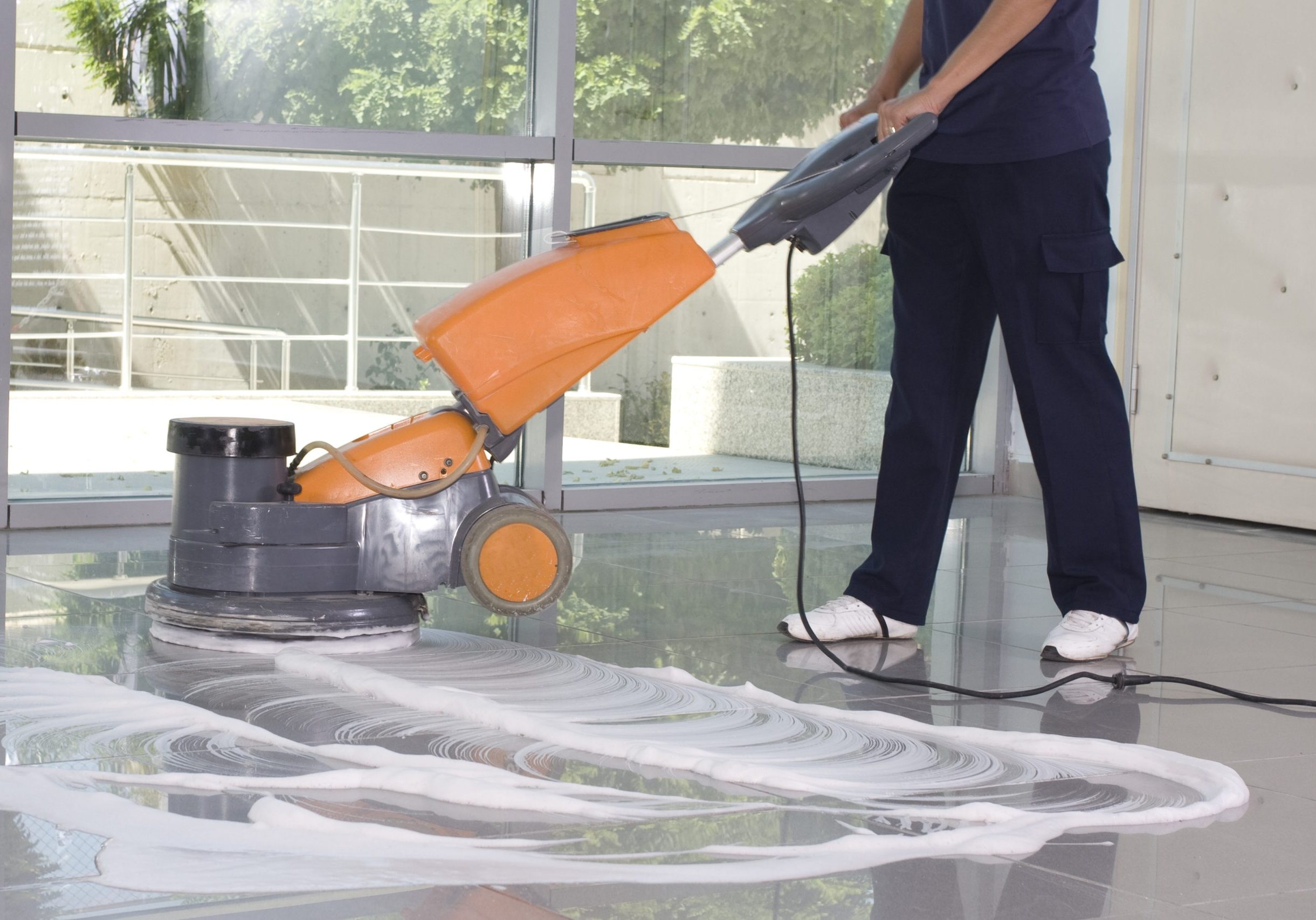
Deep cleaning includes the inside of appliances, behind equipment, and areas that standard visits don't reach.
What Does a Professional Deep Clean Actually Cover?
The specific scope of a deep clean varies between companies and depending on the size and condition of your home, but there's a core set of tasks that should always be included in a thorough deep cleaning service.
Kitchen
The kitchen tends to accumulate the most deep-clean work. A professional deep clean here typically includes:
- Cleaning the inside and outside of the oven, including racks
- Degreasing the stovetop, burners, and range hood filters
- Wiping down the inside of the microwave
- Cleaning inside the refrigerator (often available as an add-on)
- Wiping cabinet fronts, handles, and the top surfaces of upper cabinets
- Cleaning under the sink and around plumbing areas
- Scrubbing grout on tile backsplashes
- Cleaning behind and under the dishwasher and refrigerator (if accessible)
Bathrooms
Bathrooms require attention to areas that don't get addressed in weekly cleanings:
- Scrubbing tile grout in the shower and on floors
- Descaling showerheads and faucets
- Cleaning the inside of drawers and vanity cabinets
- Washing shower curtains or wiping down glass doors thoroughly
- Cleaning around and behind the toilet base
- Addressing mildew in caulking areas
Living Areas & Bedrooms
- Dusting ceiling fans, light fixtures, and vents
- Wiping down baseboards and door frames
- Cleaning window sills, tracks, and blinds
- Moving furniture to clean underneath and behind it
- Wiping light switches and door handles throughout the home
- Vacuuming mattresses and upholstered furniture seams
"A deep clean isn't about scrubbing harder. It's about working through every layer of the home — the parts that rarely get touched — so you start from a genuinely clean baseline."
When Does a Home Actually Need a Deep Clean?
There's no universal rule, but there are reliable signals that point to a deep clean being overdue — or simply the right choice given your circumstances.
You're Moving In or Moving Out
This is the most common and obvious trigger. Whether you're moving into a new space or preparing to hand one back to a landlord, a deep clean addresses the full history of the property. Even homes that appear clean often have years of buildup in appliances, behind fixtures, and in corners that never got attention during routine visits.
It's Been More Than 6 Months Since a Thorough Clean
If a home has been on a regular maintenance schedule for a while, the incremental buildup in hard-to-reach places still accumulates. Grout discolours. Vents get dusty. Grease settles behind the stove. A semi-annual deep clean can reset all of that.
Post-Renovation or Construction
Construction dust is an entirely different beast. It infiltrates everything — vents, cabinets, window tracks, light fixtures — and it doesn't respond well to standard cleaning tools. After any renovation work, even relatively minor work, a thorough deep clean removes the fine particulate matter that standard cleaning leaves behind.
Preparing for a Significant Event
Hosting a large gathering, welcoming guests who'll be staying for an extended period, or returning home after a long absence are all reasonable occasions for a deep clean. The goal isn't just appearance — it's ensuring the home is genuinely hygienic throughout.
Starting a Regular Cleaning Service
Many cleaning companies — including us — recommend starting a new recurring service with a deep clean. The reason is straightforward: maintaining a clean home is much easier and more effective when you're starting from a genuinely clean baseline. A deep clean as a first visit sets the right foundation for every maintenance visit that follows.
Bathrooms benefit especially from deep cleaning — grout, fixtures, and caulking accumulate buildup that standard cleaning doesn't fully address.
How Long Does a Deep Clean Take?
This varies considerably based on the size of the home, its current condition, and whether it's occupied or vacant. As a rough benchmark:
- 1–2 bedroom apartment (good condition): 4–6 hours with a two-person team
- 3 bedroom house (average condition): 6–8 hours with a two-person team
- Larger or heavily soiled homes: Can require a full day or multiple visits
If a company quotes you a very short time for a large, heavily soiled home, it's worth asking exactly what's included — a genuine deep clean takes time, and there's no shortcut to doing it thoroughly.
Should You Be Home During a Deep Clean?
It's entirely up to you. Many clients prefer to be out of the house during a deep clean since the process can be disruptive — furniture gets moved, appliances get pulled out, and the whole space is in flux for several hours. Others prefer to be available to answer questions or point out specific areas of concern.
What matters more than your presence is clear communication beforehand. If there are areas you want prioritised, appliances with specific quirks, or rooms with things you want left undisturbed, communicating that clearly before the team arrives makes a significant difference in the outcome.
How to Prepare Your Home for a Deep Clean
A bit of preparation goes a long way:
- Clear countertops as much as possible. The more surface area the team can access directly, the more thorough the clean. Removing small appliances, decorative objects, and clutter from counters allows cleaners to work on the surface itself rather than around it.
- Make sure appliances are accessible. If the refrigerator is going to be cleaned inside, empty it or let the team know which areas to focus on. The same applies to the oven — removing racks beforehand speeds up the process.
- Flag anything fragile or off-limits. If there are items you'd rather not have moved, mention them. A professional team will work around indicated boundaries.
- Secure pets. It makes the process smoother for everyone — and less stressful for the animals.
What a Deep Clean Doesn't Include
It's worth being realistic about what falls outside the scope of a standard deep clean:
- Exterior surfaces. Windows cleaned from the inside, yes — but full exterior window washing, pressure washing, or exterior gutter cleaning falls outside standard residential deep cleaning.
- Carpet shampooing or steam cleaning. Deep vacuuming of carpets is included, but wet carpet cleaning is a specialist service that typically requires separate equipment and booking.
- Hazardous materials. Mould remediation, pest-related cleaning, or dealing with significant water or fire damage falls outside the scope of residential cleaning.
- Heavy-duty organisation. Cleaners will work around your belongings, but reorganising wardrobes, sorting papers, or decluttering rooms is not part of the service.
The Right Mindset Going In
A deep clean is an investment in your home's baseline. It's not a magic solution that makes maintenance unnecessary — but it gives you a genuinely clean starting point that makes everything easier to maintain going forward. The difference between a home that's had a proper deep clean and one that hasn't is noticeable not just visually, but in the air quality, in how long regular cleanings stay effective, and in your general sense of the space.
If you've been putting off a deep clean because it seems like an indulgence, it's worth reconsidering. Think of it less as an occasional luxury and more as a practical reset — one that pays forward in reduced maintenance effort and a cleaner living environment for months to come.
Ready to Book a Deep Clean?
We'd be happy to walk you through what's involved for your specific home and give you a clear idea of what to expect. No pressure, no vague promises — just a straightforward conversation.
Get in Touch